

Volunteer in clinical research at SGS CPU in Edegem: Anita shares her experience
Experience as a volunteer at SGS CPU: Anita shares her story
Clinical drug research plays a crucial role in the development of safe and effective medicines. Without volunteers, medical progress would not be possible. Anita, 69 years old and a retired teacher, shares her personal experience as a volunteer at the SGS Clinical Pharmacology Unit in Edegem, Belgium. Her story offers an open and realistic insight into what participation in clinical studies involves.
Anita has been taking part in studies for many years. “For 16 years, I have been participating in clinical studies once per year, and I have liked it every time and I have even made new friends.”
Her motivation is clear. “First and foremost, it is about helping science move forward. As a healthy person, I want to help find new medicines for people who are ill and truly need them.”
For Anita, the idea that she is contributing to medical progress brings a strong sense of fulfilment and meaning.

What is the SGS Clinical Pharmacology Unit in Edegem?
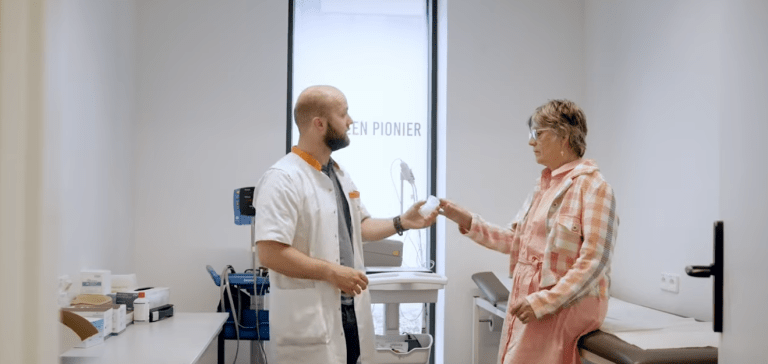
The SGS Clinical Pharmacology Unit, also known as SGS CPU, is a specialised research centre in Edegem that conducts early phase clinical studies. These mainly involve phase I and early phase II studies in which new medicines are investigated for the first time in healthy volunteers or specific target groups. This is always carried out under strict medical supervision and in accordance with international guidelines.
Anita experienced this professional approach as particularly reassuring.
“Everything is explained step by step. You know exactly what is expected of you and there is always medical staff present.”
Transparency, safety and clear communication are central to clinical research at SGS CPU.
Why participate as a volunteer in clinical research in Belgium?
Volunteers are indispensable for the development of new treatments and medicines. Thanks to their participation, researchers can determine the safety, effectiveness and correct dosage of medicines. For many participants, including Anita, it is not only about the financial compensation.
“You do not do this lightly,” she explains.
“But I felt it was important to support science and medical progress.”
There is also a practical aspect.
“For the time you invest, you receive a compensation, and that is always nice to have an additional budget for travelling.”
For Anita, the social contribution is the main motivation, with the compensation as an added benefit.
How does participation in a clinical study at SGS CPU work?
Anita describes her participation as structured, clear and comfortable. A clinical study at SGS CPU generally follows several steps.
- Registration as a volunteer
- Medical pre assessment and selection
- Stay at the research centre
- Careful medical monitoring and aftercare
She explains the process very concretely.
“So you arrive in the evening and then you are tested. The next morning you are informed whether you can take part and then it is the kinetics day, during which you undergo various examinations throughout the day and of course take the medication.”
After that, further monitoring follows.
“Then they check at regular intervals to make sure everything is completely fine.”
At the same time, there is also room for relaxation.
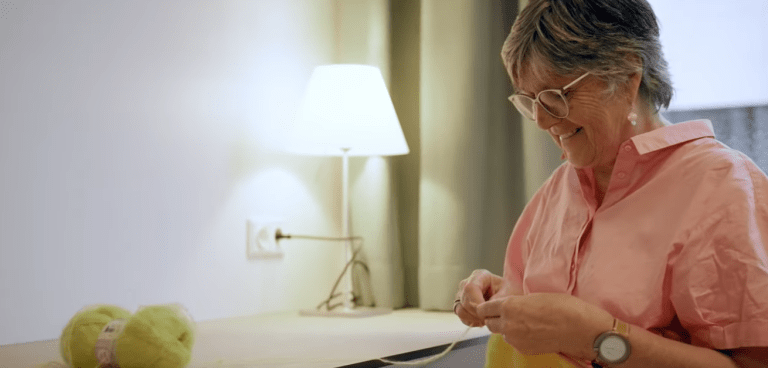
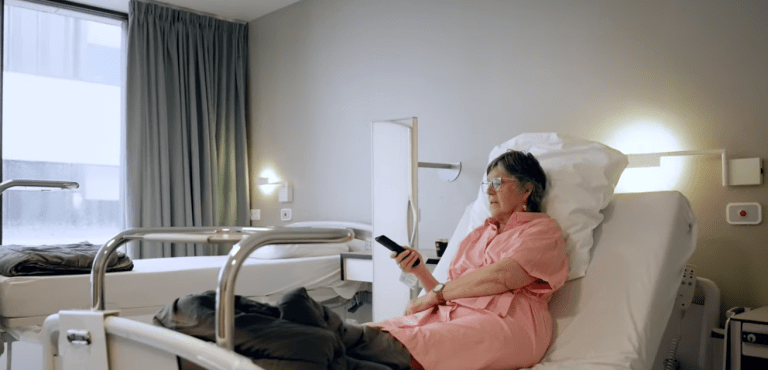
“And in the meantime you have free time. You can spend time on your own or chat with other participants, read newspapers, do some handicraft, watch videos on your computer, and so on.”
The human side of clinical drug research
Anita’s story shows that clinical research is not only about numbers, data and protocols. Above all, it is about people. Volunteers are treated with respect, well informed and actively involved at every step of the research process.
Anita also tries to reassure others who may have doubts.
“I notice that there are still people who are very afraid, and I can honestly say that this is really not necessary.”

Conclusion
Anita’s experience at the SGS Clinical Pharmacology Unit in Edegem highlights the importance and social value of clinical drug research in Belgium. Thanks to volunteers like her, new medicines can be developed safely and later help patients worldwide.
For Anita, her motivation is simple and sincere.
“Helping other people.”
For anyone considering participation in clinical studies, this testimonial offers an honest, transparent and positive view of what it means to take part as a volunteer.
